Many gardeners describe their garden as an extension of their home or as an additional room but it can also be the other way round and your home can become an extension of your garden.
I have never lived in a house that didn't have indoor plants. As a child I filled our home with spider plants, took numerous cuttings from busy Lizzies and 'geraniums' and brought plants home from school to look after during the holidays. Often these generated offspring and I added aloes and Bryophyllum daigremontianum (neither of the latter were choice plants but fed a childhood fascination for the ease in which one became many). When my sister came along she followed suit.
Martyn also grew up in a house filled with plants and so it was only natural that our home would also have house plants and has continued being an extension of the garden. Over the years the types of plants housed have changed - there seems far less choice of readily available house plants these days. Little opportunity to acquire something out of the ordinary as supermarkets have become the main suppliers.
We were attracted to a small rose when visiting a small local garden centre. The scent drew us towards it and the knowledge that when it outgrew house plant status it could be rehomed in the garden.

Regular readers will have read how potmums also have a second life as cut flowers and my latest colour acquisitions were made with that in mind.
The gloxinia below was bought at the same time as the rose . I've read that it is best to discard the plant after flowering but I intend to give it a chance to flower again next year.


We have quite a collection of streptocarpuses, some inherited from Martyn's mum. I have recently tidied them up and repotted them except for two newly bought this year. They have no flowers at the moment but below is a photo of one flowering earlier in the year.

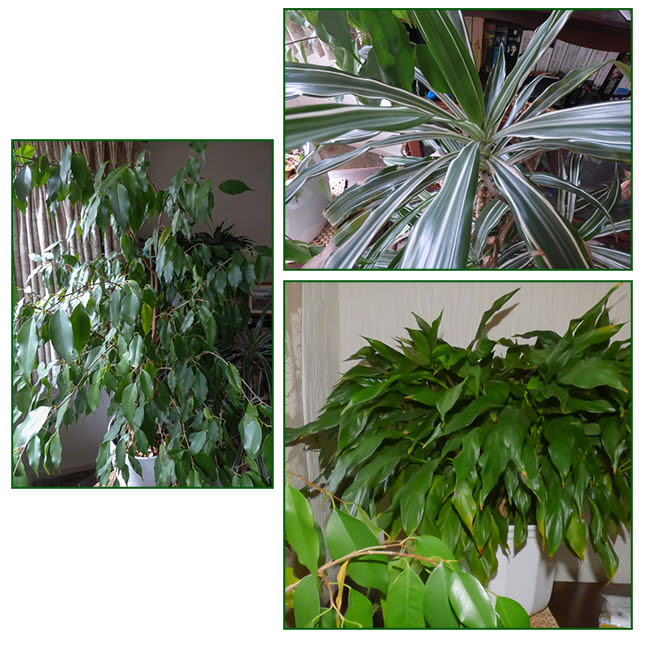
A ficus in the living room is becoming a tree and the only way to dust it is to give it a shower. Dusting each leaf would be a full time job. The dracaena like Dr Who has undergone several regenerations as if the leaves become too tatty, I cut it down.
We have several peace lilies many because they often need splitting and there is a limit to how many can be given away.
Another inherited plant is an aspidistra. This belonged to my grandma who had also inherited it so it will easily date back to the Victorian era. When I inherited it, it had one leaf and was planted in smelly compost due to may grandma's habit of watering it with tea complete with milk and sugar. Once replanted it grew very quickly and my sister also has a large plant. Many years ago it produced a flower but I am still waiting for a repeat performance.

The Boston fern often needs a tidy as to be honest it isn't growing in ideal conditions for it but is holding its own.
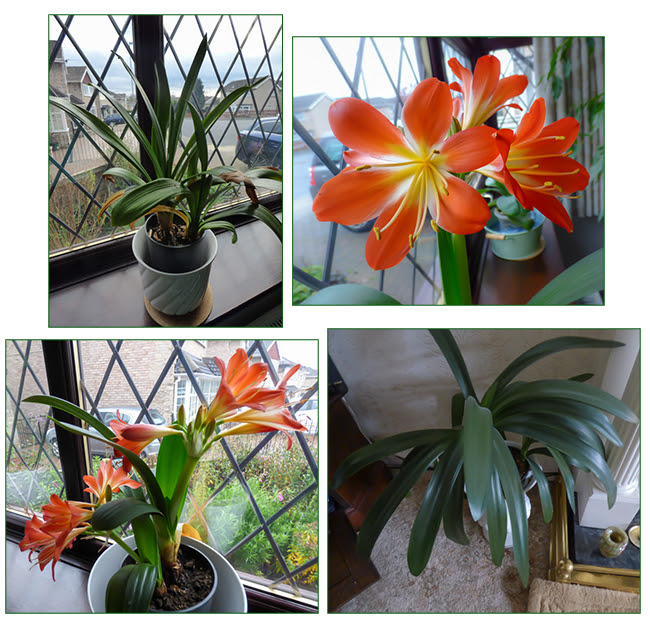
Another plants that isn't growing in an ideal position is one of our clivias. Roger - the No Dig Gardener chastised me for growing it in insufficient light but I liked the dark green leaves that the low light produced and despite the lack of flowers liked it where it was. The result was that Roger gave me another plants that I have grown on a windowsill and as a result last year it flowered well. It spent summer in the greenhouse and has now been brought back into the house in the hope of flowers again this year.
Plants such as begonia rex and the prayer plant produce flowers but we grow them for the foliage. Both respond to being cut back when the leaves become tatty, in fact it seems to be part of the prayer plants yearly growing cycle. Dead leaves are cut off and new ones grow from the centre. The plant in the photo below is coming to the end of the cycle and new leaves should start to push up soon. The variegated ficus is stunted due to being kept in too small a pot but still keeps going.

We are great believers in giving plants a chance to regrow and currently have a few plants in the recuperation suite. At present these are all plants that have finished flowering and have been cut back hard. There are several regal pelargoniums, a busy Lizzie/impatiens and a begonia. The impatiens had been attacked by aphids which we couldn't control and so cutting down was a last resort which has paid off as it had grown well and has lots of new flower buds.








 Posts
Posts