Things in the garden are moving on at a fair pace now with changes noticeable from morning to later afternoon.
Click here for the diary entry

 Unfortunately carrot flies thrive in moist and mild climates – just like ours and our countryside provides many wild plants, such as cow parsley, which the carrot fly is attracted to. Problems with carrot fly larvae can discourage gardeners from even trying to grow carrots. Click here to read how we attempt to control the beasts!
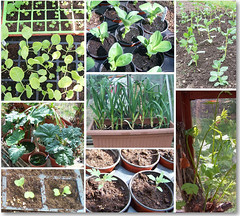 Although the greenery says spring , winter is still challenging the idea and sending some cold winds. When the sun pushes through it is lovely and warm. It’s the sort of weather that the plants and wild life must find confusing. We had a hedgehog trogging around the garden during the day this week. As hedgehogs are nocturnal it can be a sign that they are unwell but this one looked sprightly enough. I think he just fancied coming out when it was warm and who can blame him! (or her).

 If you need a travel service in the Wakefield area e.g. to transport you to the airport or to a special event then you must try out ATS Airport & Travel Services - Wakefield. See their website
 It’s really beginning to look and feel like spring now. I think from now until the end of May is my favourite time of the year when the greens look so fresh and everything seems just bursting to grow. This includes the dandelions that look good mingling with the daisies on roadside verges but not so good on the plot. One minute they have been mown down and the very next moment have sprung back up again and are in full flower.
 We use sets from which to grow our onions and shallots. Onions can be raised from seed but are more prone to problems and do not do as well on poor soil. The process also takes longer to produce a mature onion. Growing shallots from seed is fairly uncommon. Last year for the first time we tried heat treated onion sets. These are treated to cut down the chance of the plant bolting and producing a flower stem. The heat treated sets are more expensive but did perform better than those that were not treated and so this year that is all that we are planting. Heat treated sets should be planted slightly late than other sets i.e. late March to Early April. Onion sets are smaller than shallot sets. An onion set is an immature onion which was grown from a seed the previous year. It will grow and form one onion, whereas a shallot set splits and forms a cluster of several shallots.







 Posts
All Comments
Posts
All Comments