You may not realise but as well as writing blogs, Martyn and I have some websites that we author (doesn't that sound grand).
Martyn has a blog and a website devoted to one of his other interests - steam locomotives (I call them trains and am usually corrected so I am being very careful here). I even help out by taking some of the train (oops locomotive)photographs for him whilst he is busy filming. Quite a responsibility as the thing rushes past offering a few seconds window in which to get a shot!
If you have ever followed a link from the top of this blog you will have visited one of or two of our sites without realising it.

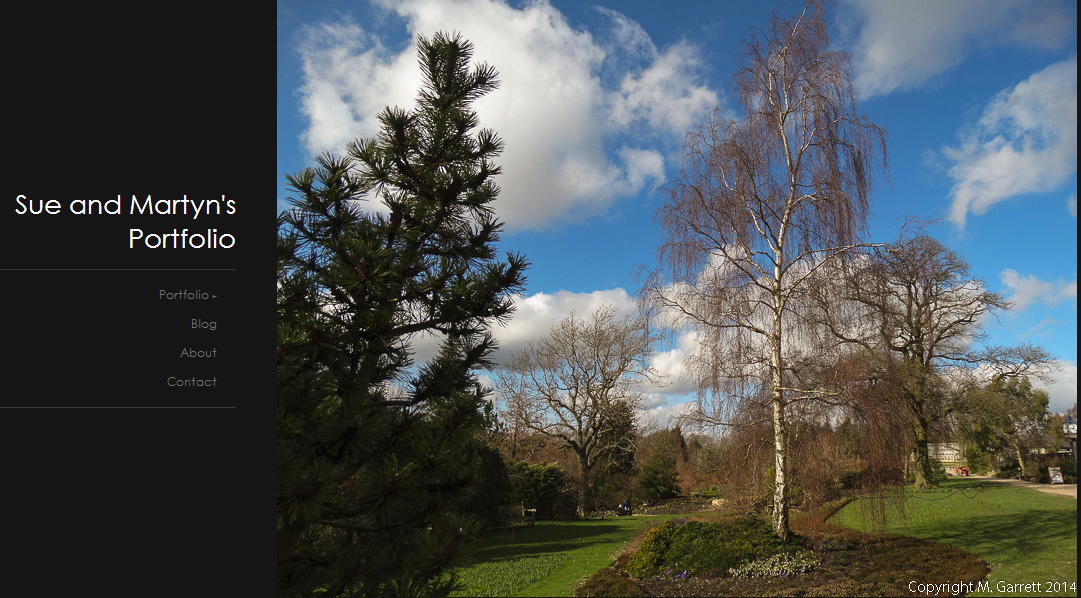
The top batch of tabs all take you to areas on my gardening website.
The bottom row of links takes you to areas that are regularly updated and change monthly. Martyn keeps a list of what is planted and sown each month and also a complete list of what is harvested each month as well as a full list of the seeds and plants we have bought for the year. These areas help us 'remember' how things fare each year and what we did when.
As well as his gardening and weather blog, Martyn keeps a record of the weather conditions recorded by the weather station in our garden. His records go back to 2009
My gardening website includes a gardening diary section that goes back to 2007 and has undergone several metamorphoses over the years and is currently a picture diary as I felt I was just repeating blog content.
The blog tends to sample things that we do on the plot and in the garden whereas I try to make the picture diary into a more complete account.
The bottom row of links takes you to areas that are regularly updated and change monthly. Martyn keeps a list of what is planted and sown each month and also a complete list of what is harvested each month as well as a full list of the seeds and plants we have bought for the year. These areas help us 'remember' how things fare each year and what we did when.
As well as his gardening and weather blog, Martyn keeps a record of the weather conditions recorded by the weather station in our garden. His records go back to 2009
My gardening website includes a gardening diary section that goes back to 2007 and has undergone several metamorphoses over the years and is currently a picture diary as I felt I was just repeating blog content.
The blog tends to sample things that we do on the plot and in the garden whereas I try to make the picture diary into a more complete account.

Each month I also link to all the relevant posts in both of our blogs. If you are interested September's page is here. I'd be really interested in thoughts about how this could be improved.
 My other website came about as a result of my having been a primary teacher and also being a gardener at a time when many schools in my area were starting gardening projects. Often people with no gardening experience found themselves leading these projects so I created The School Vegetable Patch website to help them along. Although some parts of the site are aimed at school gardening the site is generally suitable for anyone new to gardening and has Gardening Calendar section with lists of month appropriate tasks. The October page is here if you are interested as it is equally applicable to grown-up gardeners.






 Posts
Posts